Bee-Talk 101: What Our Honey Is Trying to Tell You (and How to Listen)
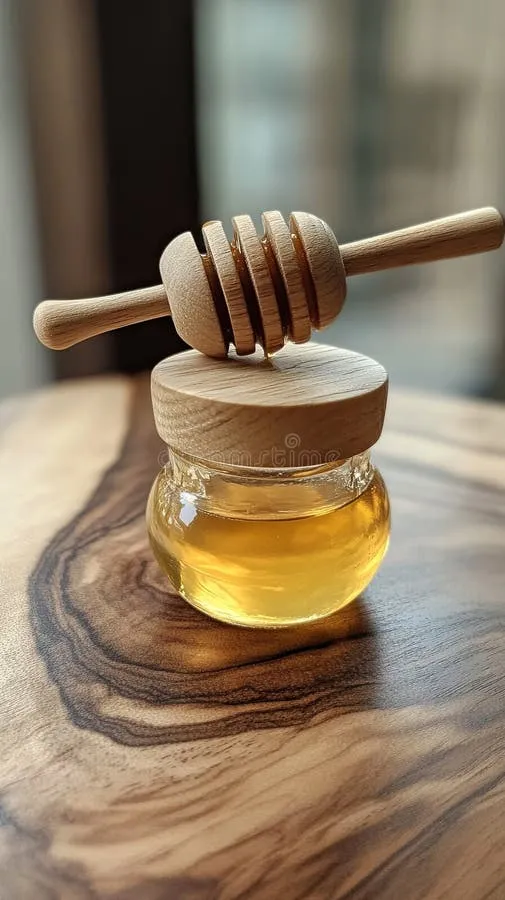
Photo: honey tasting spoons artisanal honey jars wooden table, via thumbs.dreamstime.com
Honey Has an Accent (Yes, Really)
Here at Miss Emily's Blue Bee Bar, we get asked one question more than any other: "What makes your honeycomb brownies taste like that?"
The answer, friends, is terroir — a fancy French word that basically means "honey tastes like where the bees hung out." Honey made from clover fields in Wisconsin does not taste like honey made from orange groves in Florida, and thank goodness for that, because variety is the spice of life (and the sweetness of dessert).
So grab a spoon, honey. We're going to teach you to eavesdrop on bees.
Meet the Keepers: Three Beekeepers, Three Flavors
We source from small beekeepers within a day's drive of the bar, and each one brings something different to our display case.
Earl "Two Hives" Pemberton — Orange Blossom Honey (Florida)
Earl is 74 years old, wears the same beekeeping veil his father wore in 1962, and talks to his hives like they're employees of the month. His orange blossom honey is our not-so-secret weapon in the lemon-honey bars. It's floral, faintly citrusy, and tastes the way a front porch in June feels.
Earl says: "Bees don't lie. If the season was rough, the honey tells you."
The Nguyen Family — Wildflower Honey (North Georgia)
The Nguyens keep forty hives at the edge of a meadow that blooms in chaotic, glorious succession — goldenrod, clover, blackberry bramble. Their wildflower honey changes a little every year, which we love, because it keeps our pastry chef humble. It's deeper and moodier than Earl's, with a caramel-ish finish that's phenomenal in our honey-vanilla soft serve.
Grandma Linh says: "Every jar is a diary entry. You just have to read it."
Dottie Mae Collins — Sourwood Honey (Appalachian Foothills)
Sourwood honey is the diva of the honey world — it only flows for a few weeks each summer, and Dottie Mae's entire crop usually sells out before Labor Day. We hoard ours like dragons hoard gold. It's buttery, a little spicy, and it's the reason our honey caramels have a cult following.
Dottie Mae says: "People ask why I don't make more. I tell 'em the bees don't take requests."
How to Taste Honey Like You Mean It
Want to run your own honey tasting at home? It's easier than a wine tasting and nobody will judge you for using a whole spoon.
- Use a clean spoon for each honey. Cross-contamination is the enemy of nuance.
- Warm it slightly. Cold honey mutes its aroma, like a jazz band playing through a pillow.
- Smell first. Half of taste is aroma. Stick your nose in there. You're among friends.
- Let it sit on your tongue. Note the first impression, the middle, and the finish — yes, honey has a finish.
- Write down what it reminds you of. "Sunshine," "my grandmother's kitchen," and "a flower that owes me money" are all valid tasting notes.
Decoding the Grocery Store Shelf
Not everyone can drive out to Earl's farm, so here's how to shop smart at your local supermarket:
- Buy raw when you can. Pasteurized honey has been heated, which flattens the flavor like a bug on a windshield.
- Look for "pure" and "unfiltered," not just "natural." "Natural" means approximately nothing on a food label.
- Skip the bear if you can. We love a cartoon bear as much as anyone (we are a whimsical dessert bar, after all), but squeeze-bear honey is usually heavily processed blandness.
- Crystallization is a good sign. Raw honey naturally crystallizes. It means it's real. Gently warm the jar in warm water — never the microwave — and it'll smooth right out.
- Check the label for a single origin. "Product of USA and Argentina" is honey with an identity crisis.
Why It Matters to Us (and Your Taste Buds)
Every sweet at Miss Emily's Blue Bee Bar starts with honey from a beekeeper we know by name, because flavor with a face tastes better. It's the same reason we put a blue bee on everything: honeybees pollinate about a third of the crops in the US, and honestly, they deserve better PR.
So the next time you bite into one of our honey caramels and taste something a little buttery, a little wild, a little Appalachian — that's not magic. That's Dottie Mae's bees, talking to you in the only language they know.
Listen closely. It's a sweet one.